

Female Infertility Treatment
Infertility in Females
Several factors can contribute to female infertility, including age, anovulation, tubal issues, and cervical-uterine conditions. Infertility in women is more common than many realize, with 1 in 8 couples experiencing difficulty conceiving.
At Precision IVF, you are not alone our specialists are here to support you with advanced female infertility treatment options and personalized care.
Women under the age of 35 who have been trying to get pregnant for a year, and women over the age of 35 who have been attempting to conceive for 6 months without success, are recommended to consult specialists. Women with more than two consecutive miscarriages could be experiencing fertility problems and should seek evaluation.
Factors Affecting Female Infertility
While there are a multitude of diagnoses, we will outline the most commonly seen causes of female infertility:
1. Tubal Factor:
Open (patent) and functioning fallopian tubes are necessary for pregnancy to occur. Tubal disease is a disorder in which the fallopian tubes are blocked or damaged. This is usually caused by a history of previous pelvic infections, prior pelvic-abdominal surgery, or endometriosis.
While there are a multitude of diagnoses, we will outline the most commonly seen causes of female infertility:
The test typically performed to assess tubal patency is a hysterosalpingogram (HSG), which is an X-ray image of the pelvis. A thin tube-like instrument is passed into the cervix, and X-ray dye is injected into the uterus. As the dye enters the uterus and fallopian tubes, an assessment is made of their structure and function.
2. Cervico-Uterine Issues
The cervix is located in the lower part of the uterus. Conditions affecting the cervix can impact fertility, although they are rarely the sole cause of infertility.
The following conditions can contribute to cervical factors:
- Abnormal Pap smear(s)
- Prior cervical biopsies
- Cervical surgery (cone biopsy)
- Freezing or laser treatment of the cervix
Cervical problems are generally treated with antibiotics, fertility medications, or intrauterine insemination (IUI).
3. Uterine Conditions
The uterus (womb) is where the fertilized egg implants and develops. Uterine abnormalities can account for 20% of female infertility and include:
- Uterine scar tissue from previous surgery or miscarriage (Asherman’s Syndrome)
- Polyps (benign growth of the endometrial lining)
- Uterine fibroids
- Abnormally shaped uterine cavity
Problems within the uterus may interfere with embryo implantation or increase the risk of miscarriage.
Tests typically performed to assess the uterine cavity include:
- Hysterosalpingogram (HSG)
- Saline infusion sonogram (SIS or SHG)
In SIS, a thin tube is passed into the cervix and saline is injected into the uterus under ultrasound guidance. This is often the preferred test for evaluating uterine abnormalities.
Surgery may be required to further evaluate and correct uterine cavity issues. Our specialists are highly experienced in treating uterine factors contributing to infertility.
4. Irregular or No Ovulation
Problems with ovulation are a common cause of infertility in women, accounting for approximately 30 percent of cases.
To conceive, a woman must ovulate—release an egg from the ovary into the fallopian tube. Ovulation is linked to the menstrual cycle, which typically occurs every 28–35 days.
Women who experience periods more than every 35 days may be ovulating infrequently or not at all.
Common causes of ovulatory disorders include:
- Polycystic Ovary Syndrome (PCOS)
- Thyroid hormone imbalance
- High prolactin levels
- Higher body weight
Ovulation can be tracked through menstrual charting, ovulation predictor kits (OPKs), and blood hormone (progesterone) testing.
5. Hormonal Imbalances
Hormonal disorders play a major role in female infertility. PCOS is the most common ovulatory disorder, accounting for 85% of diagnosed ovulatory issues.
Female athletes, such as marathon runners and gymnasts, may experience hypothalamic amenorrhea, which can disrupt ovulation.
Women with elevated prolactin levels may also experience irregular ovulation, making conception more difficult.
With proper diagnosis and infertility treatment in women, many hormonal conditions can be effectively managed.
6. Age and Female Fertility
Age is a significant factor in fertility. As a woman approaches her mid-30s, fertility begins to decline, with a more rapid decline after age 40.
This decline occurs because:
- The number of eggs decreases
- Egg quality diminishes
- Risk of chromosomal abnormalities increases
Women in their late 30s and 40s are considered to be of advanced maternal age. While conception is still possible, it may require medical assistance through advanced female infertility treatment options.
7. Endometriosis
Endometriosis is a common condition affecting women of reproductive age. It occurs when tissue similar to the uterine lining grows outside the uterus and sheds into the abdominal cavity.
This can lead to inflammation, scar tissue formation, and disruption of:
- Ovulation
- Tubal function
- Embryo quality
With proper care and treatment, many women with endometriosis can successfully conceive.
8. Recurrent Miscarriages
Miscarriage is one of the most emotionally challenging experiences for women. Approximately 2 out of 10 pregnancies may result in miscarriage.
Women are considered to have recurrent pregnancy loss if they experience two or more consecutive miscarriages. About 1% of women experience three or more losses.
In about 50% of cases, the underlying cause can be identified.
Common causes include:
- Genetic or chromosomal abnormalities
- Age-related factors
- Uterine abnormalities
- Incompetent cervix
- Hormonal disorders
- Autoimmune conditions
- Blood clotting disorders
Treatment options vary and may include medications, surgery, IVF, or genetic testing.
Although some couples can conceive, maintaining pregnancy may be the challenge. Consulting a fertility specialist is essential to identify and treat the underlying cause.
Female Infertility Treatment Options
There are several treatments for infertility in women, depending on the diagnosis and severity. These include:
Intrauterine insemination (IUI)
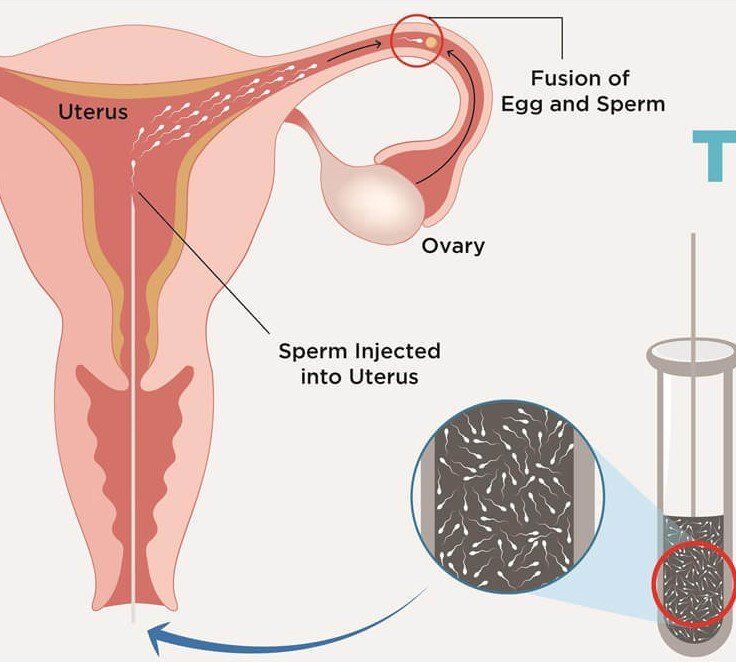
Intrauterine insemination (IUI) is a minimally invasive fertility treatment that involves placing specially prepared sperm directly into the uterus during ovulation. This increases the chances of fertilization by helping sperm reach the egg more efficiently. IUI is often recommended for:
- Mild male infertility.
- Unexplained infertility.
- Ovulation disorders.
- Cervical mucus issues.
In Vitro Fertilization (IVF)
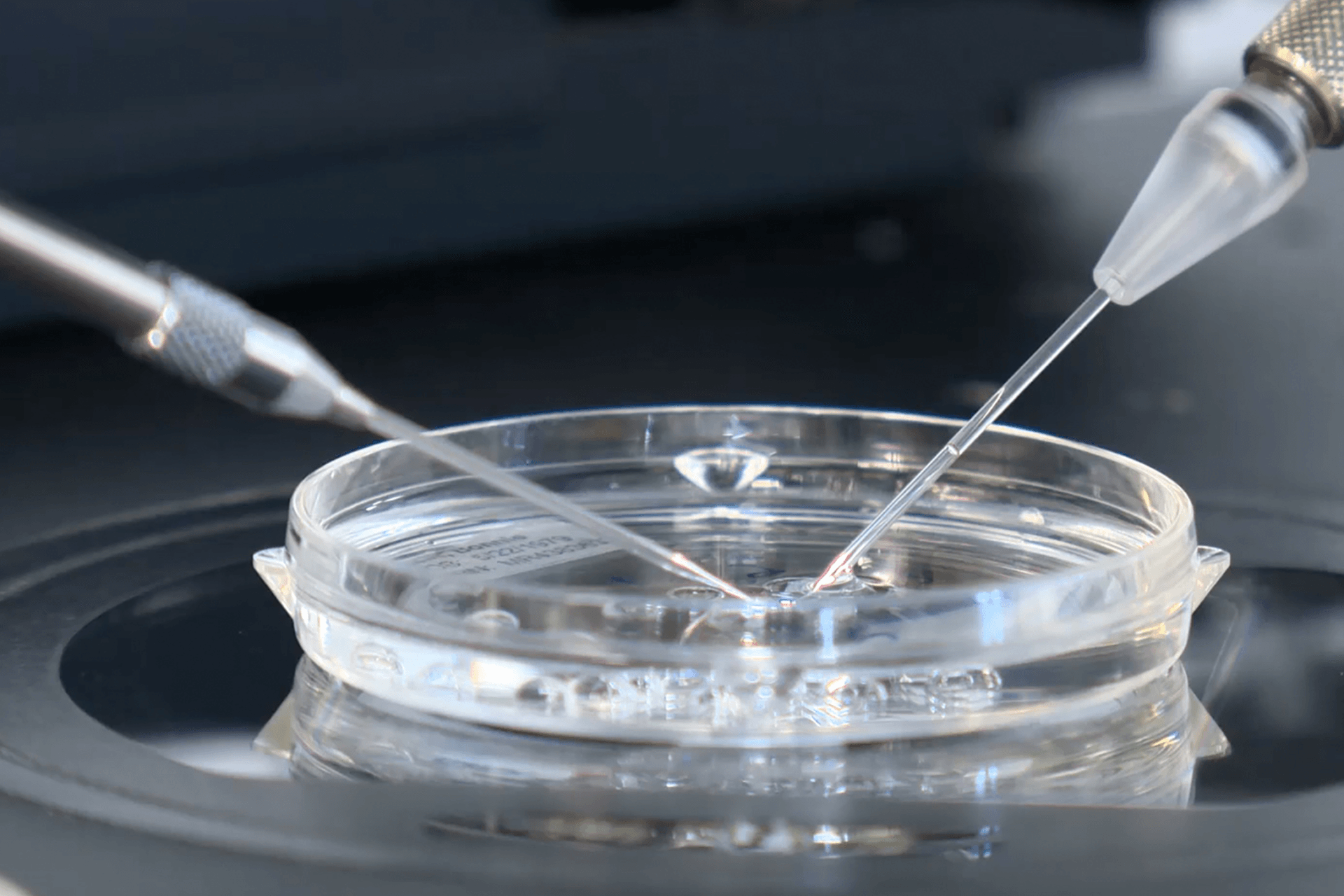
In Vitro Fertilization (IVF) is an advanced and highly effective fertility treatment used to address a wide range of infertility conditions. In this process, eggs are retrieved from the ovaries and fertilized with sperm in a laboratory. The resulting embryo is then transferred into the uterus to achieve pregnancy. IVF may be recommended for:
- Blocked fallopian tubes.
- Severe male infertility.
- Endometriosis.
- Failed IUI cycles.
- Age-related infertility.
When to See a Fertility Specialist
You should consult a fertility specialist if:
- You have been trying to conceive for over a year (under 35)
- You have been trying for 6 months (over 35)
- You have irregular cycles or ovulation issues
- You have experienced recurrent miscarriages
Early diagnosis improves the success of female infertility treatment.

Why Choose Our Female Infertility Clinic
Our female infertility clinic is dedicated to providing comprehensive, compassionate, and personalized care for women facing fertility challenges. We understand that every patient’s journey is unique, which is why our approach focuses on accurate diagnosis and tailored female infertility treatment plans. We provide:
- Experienced fertility specialists with expertise in diagnosing and treating infertility in women
- Advanced reproductive technology, including IVF and IUI treatments
- Customized treatment plans based on your individual fertility health and goals
- Compassionate, patient-centered care with guidance at every step
Our goal is to help you overcome infertility challenges and achieve a healthy pregnancy with the highest level of care and support.

Book your Consultation with Precision IVF
Take the first step toward overcoming infertility with expert care at Precision IVF. Our experienced fertility specialists provide personalized evaluation and advanced treatment options tailored to your unique needs. Whether you are just starting your journey or exploring fertility treatments, we are here to guide you every step of the way. Schedule your consultation today and get the support, answers, and care you need to move forward with confidence.
Frequently Asked Questions
1. What is female infertility?
Female infertility refers to a woman’s inability to conceive after 12 months of regular, unprotected intercourse (or 6 months for women over 35). It can be caused by ovulation disorders, age, or reproductive health issues.
2. What are the common causes of infertility in women?
Common causes of infertility in women include ovulation disorders, blocked fallopian tubes, endometriosis, hormonal imbalances, and age-related factors.
3. Can energy drinks cause infertility in females?
Excessive consumption of energy drinks may affect hormonal balance due to high caffeine content. While occasional intake is usually safe, high consumption may impact fertility over time.
4. Can female infertility be treated?
Yes, many cases of infertility in women can be successfully treated with modern fertility treatments and lifestyle changes. Early diagnosis improves success rates.